Fashion ›
How to Build a Festival Wardrobe for Under £40
by Mia M.
The average UK festival-goer spends over £200 on new clothing before a single act takes the stage — and most of it gets ruined by mud before Sunday afternoon. Our team has spent years refining cheap festival outfit ideas that genuinely hold up, and we've built complete head-to-toe festival wardrobes for under £40 every time. The results honestly surprised us. Whether it's a weekend camping festival or a single-day outdoor event, the same principles apply. Our full fashion section digs deep into the styling mindset behind this approach, but this post is where we lay out the complete practical system.

Festival fashion has a reputation for requiring serious spending — sequinned co-ords, statement boots, matching accessories. The influencer version of festival dressing often costs more than the actual ticket. But our experience, and the experience of most festival veterans we've spoken to, tells a completely different story. The best festival looks come from charity shops, repurposed wardrobe staples, and a handful of cheap pieces layered with intention. The result is more personal, more creative, and far more practical than anything bought in a panic from a fast fashion site the week before.
We've pulled real-world inspiration from events covered in our FIB Music Festival review and our Download Festival 2017 highlights — and the pattern is consistent across both. The most memorable outfits never belong to the biggest spenders. They belong to the people who had a clear vision and made smart choices with a tight budget. Here's exactly how our team approaches building a £40 festival wardrobe from scratch.
Contents
- The Real History of Festival Style (And Why Budget Always Won)
- The Biggest Myths Around Cheap Festival Outfit Ideas
- Our Best Tricks for Stretching £40 Across a Full Festival Look
- Thrift vs. Fast Fashion: An Honest Look at Both Sides
- When Festival Outfits Go Wrong (And How to Fix It)
- Frequently Asked Questions
- Final Thoughts
The Real History of Festival Style (And Why Budget Always Won)
How Festival Fashion Became Its Own Thing
Festival fashion as most people recognise it didn't begin with Instagram lookbooks or spring "festival edits" from high street chains. According to Wikipedia's overview of hippie fashion, the aesthetic roots of what we now call festival style stretch back to Woodstock in 1969 — when the entire point was to reject mainstream fashion outright. Patchwork, repurposed fabrics, handmade accessories — budget wasn't a compromise back then. It was the whole aesthetic.
What changed is commercialisation. Brands spotted the look, packaged it, and started selling it back to festival-goers with a substantial markup. Fast fashion chains began releasing "festival collections" every spring, and suddenly the DIY creative spirit got a £45 price tag attached to it. Our team finds that deeply frustrating, because the original energy of festival dressing — personal, creative, and practical — is still entirely achievable without spending anything close to what the high street charges.

Why Spending Less Actually Makes More Sense
There's a practical argument that most people overlook entirely: festival clothing gets destroyed. Mud, rain, sun cream, grass stains, food, drinks — by Monday morning, even well-made pieces look battered. Spending £200 on a wardrobe that emerges from a weekend in that condition is, in our view, genuinely bad value. The budget approach sidesteps that problem completely.
- Cheap festival pieces that get ruined cost very little to replace or simply retire
- Thrifted pieces have already lived a life — one more weekend of hard wear is all they need
- Budget constraints encourage more creativity, not less, because there's no fear of ruining an expensive piece
- Money saved on clothing goes directly toward the actual experience: food, drinks, or the next ticket
Our team's position is clear: festival style rewards creativity, not spending power. The constraint of a tight budget forces decisions that consistently produce better, more interesting outfits than an unlimited one would.
The Biggest Myths Around Cheap Festival Outfit Ideas
Myth: Cheap Always Looks Cheap
This is the one our team hears most often, and it's simply wrong. We've put together complete looks for as little as £5 that drew genuine compliments — not polite ones, real ones. The difference between a cheap outfit that looks cheap and a cheap outfit that looks intentional is almost always styling, not spend.
What makes something read as "cheap" is usually a mismatch of textures, a bad fit, or no clear visual direction. A £3 mesh top from a charity shop, worn with high-waisted denim shorts and a stack of layered necklaces, reads as festival-ready without any effort. The same top crammed into a bag of random impulse buys looks like an afterthought. Budget is rarely the real problem. Planning is the problem.

Pro tip from our team: Charity shops are the best source for mesh, lace, and embroidered pieces — these textures photograph beautifully and read as far more expensive than they actually are.
Myth: A £40 Budget Means Settling for Less
Not even close. Here's how our team has broken down a full three-day festival wardrobe that comfortably hits the £40 target:
| Item | Best Source | Estimated Cost | Notes |
|---|---|---|---|
| Denim shorts or wide-leg trousers | Charity shop | £3–£6 | Versatile base — works across all three days |
| Mesh or lace top | Charity shop / Primark | £2–£5 | Layer over a bandeau or bralette |
| Oversized vintage tee | Charity shop | £2–£4 | Great knotted at the waist or worn loose |
| Festival dress (slip or boho style) | Charity shop / Vinted | £4–£8 | Our pick for the headline act night |
| Lightweight jacket or kimono | Charity shop | £4–£7 | Essential for unpredictable evening temperatures |
| Accessories (necklaces, hair clips, belt) | Primark / charity shop | £4–£8 | These make or break the whole look |
| Wellies or chunky sandals | Already owned / borrowed | £0–£8 | Repurpose or borrow — don't buy new |
| Total | £19–£46 | Hits the £40 target comfortably with a plan in place | |
The numbers work. The critical shift is treating the £40 as a complete system, not a per-item allowance. Most people spend more because they buy reactively — one piece at a time, with no clear picture of the overall look. Starting with what's already in the wardrobe, then filling specific gaps, is how the budget stays tight without any sacrifice in the final result.
Our Best Tricks for Stretching £40 Across a Full Festival Look
Start at the Charity Shop
Charity shops are where our team starts every single festival wardrobe build. The variety of textures, the genuinely one-of-a-kind pieces, the prices — nothing else competes for cheap festival outfit ideas at this level. Our team has found beaded tops, embroidered kimonos, silk-feel slip dresses, and vintage band tees for under £5 each. Most people walk straight past these shops, which means the stock is consistently underexplored and full of surprises.
Our approach: go in with a colour palette in mind — two or three tones that work together — and look specifically for texture and silhouette rather than brand names. If a piece fits the palette and the shape is right, it works. For more ideas on transforming thrift finds into something genuinely eye-catching, our post on thrift flip ideas for upcycling charity shop finds covers DIY techniques that take even the most basic second-hand piece to the next level.

Think in Layers, Not Full Outfits
Festival dressing is fundamentally a layering exercise. Morning is cold. Midday is hot. Evening is somewhere unpredictable. An outfit that works at one temperature needs to adapt without requiring a full costume change. Our team never builds "outfits" for festivals — we build a system of pieces that combine and recombine across the entire weekend.
- One base layer (shorts, trousers, or a slip dress) that works across multiple days
- Two or three tops that swap in and out depending on temperature and mood
- One lightweight outer layer — kimono, denim jacket, or oversized flannel shirt
- Accessories that shift the feel of any combination without adding bulk or weight
This system produces three days of distinct outfit combinations from around seven pieces — everything fitting inside a small backpack. Every piece does real work, which is exactly how the budget stays tight without ever feeling short.
Accessories Do the Heavy Lifting
The biggest styling upgrade most people miss is accessories. A plain £3 charity shop tee worn with a chunky belt, a layered necklace stack, and a pair of circular sunglasses reads completely differently from the same tee worn plain. Our team allocates £8–£10 of the £40 budget specifically to accessories, because the return on that spend is higher than any other single category.
This is where creativity becomes the real asset. Approaching a festival wardrobe as a creative project — rather than a shopping list — consistently produces better results. Our post on cultivating creativity in daily life applies directly here: the same mindset that unlocks creative thinking in other areas is what turns a pile of cheap pieces into a cohesive, memorable festival look. For deeper inspiration on building a personal style wishlist that prioritises versatility, our fashion inspiration and wishlist picks post is worth reading alongside this one.
Thrift vs. Fast Fashion: An Honest Look at Both Sides
What Thrifting Gets Right
Thrifting wins on almost every dimension that matters for festival dressing. The prices are lower, the pieces are more unique, and there's zero guilt when something gets wrecked by Sunday evening. Our team's most-worn festival pieces over the years have all been charity shop finds — a beaded vest that's survived four festivals, a vintage slip dress that's been worn in three different cities.
Worth knowing: Our team recommends visiting charity shops on Tuesdays or Wednesdays — that's when weekend donations have been sorted and priced, so the selection is at its freshest and most varied.
- Unique pieces that won't be duplicated across an entire festival crowd
- Lower cost per wear when things inevitably get damaged
- Better environmental footprint compared to buying new fast fashion items
- Often better actual fabric quality than current fast fashion at the same price point

Where Fast Fashion Still Has a Place
Our team is honest about this: fast fashion fills specific gaps that charity shops can't always reliably cover. Basics are the clearest example. A plain black bandeau, a simple white ribbed vest, a pair of plain jersey shorts in the right size — these are genuinely hard to find secondhand in good condition on short notice. Primark and similar stores fill that gap well at a low cost, and there's no reason to avoid them for that purpose.
The rule our team follows: buy new only for the structural basics that anchor everything else. The expressive pieces — the ones that actually define the look — should come from charity shops, existing wardrobe items, or DIY. Fast fashion is a useful tool for filling specific gaps, not the primary strategy for building cheap festival outfit ideas that stand out.
When Festival Outfits Go Wrong (And How to Fix It)
The Mud and Rain Problem
Every UK festival has at least one mud day. This isn't a possibility to plan around — it's a certainty to plan for. Our team's approach is simple: nothing worn at ground level should be expensive, light-coloured, or dry-clean only. Dark denim, not white linen. Wellies or chunky boots that can be rinsed clean, not fresh trainers. A jacket with a wipe-clean surface, never suede.
The same logic applies to hair. Styles that hold up wet or in humid conditions — braids, buns, bandana-wrapped looks — survive festival conditions far better than anything heat-styled before leaving the tent. Our post on curly hair essentials and jasmine oil is a favourite reference for low-maintenance styles and hydration techniques that genuinely work across multiple days without access to proper equipment.
Overpacking and Underpacking
Overpacking is the more common mistake at festivals, but underpacking creates real problems too. The right number of outfit pieces for a three-day event is fewer than most people assume, and more considered than a bag thrown together the night before.
- Overpacking: too many pieces with not enough combinations — leads to decision fatigue and a bag too heavy to carry comfortably
- Underpacking: relying on one or two outfits with no backup for weather changes or unexpected spills
- Wrong packing: bringing pieces that don't work together — the layering system prevents this entirely
Our team applies a simple test before finalising a festival pack: every piece in the bag must combine wearably with at least two other pieces already in the bag. If it can't pass that test, it stays home. This keeps the wardrobe tight and genuinely functional across the full weekend, without going over budget, over weight, or over capacity.

Frequently Asked Questions
Can anyone really build a complete festival wardrobe for under £40?
Yes — and our team has done it multiple times across different festivals and seasons. The key is starting with a thorough wardrobe audit of what's already owned, shopping charity shops with a clear colour palette in mind, and treating the £40 as a full system rather than a per-item allowance. The breakdown table in this post shows exactly how the numbers work out in practice.
What are the best cheap festival outfit ideas for colder weather festivals?
Our team prioritises layering for cold weather events: thermal leggings worn under denim shorts, a long-sleeve base layer under a mesh top, and a heavyweight kimono or oversized denim jacket on top. All of these pieces can come from charity shops for well under £20 combined, leaving meaningful budget for accessories and the one statement piece that pulls everything together.
Is it better to buy festival-specific clothing or work with what's already in the wardrobe?
Our experience is strongly in favour of starting with what's already owned. Most people already have at least two or three pieces that work perfectly for a festival — they just haven't thought about them in that context. A full wardrobe audit before any shopping trip typically cuts the required spend in half, sometimes more.
Where does our team recommend shopping for cheap festival outfit ideas in the UK?
Charity shops are always first. After that: Primark for cheap basics that are hard to find secondhand, Depop or Vinted for vintage-feel pieces at low prices, and car boot sales for accessories and one-off statement finds. Combining these four sources covers everything needed for a complete festival wardrobe within any reasonable budget.
What's the most common mistake when building a festival wardrobe on a tight budget?
Buying everything new, and buying it all at once without a plan. Both decisions drive the cost up quickly and usually result in pieces that don't work together. Our team always starts with a wardrobe audit, then fills specific identified gaps — charity shop first, high street only as a last resort for basics that genuinely can't be found secondhand.
How do most people make a cheap festival outfit look intentional rather than thrown together?
Two things make the biggest difference: a consistent colour palette and strong accessories. Picking two base colours and one accent tone, then building every piece in the bag around those, creates an effortless cohesion that no amount of money can substitute for. Accessories — belts, layered necklaces, sunglasses, hair clips — add the finishing layer that makes the whole look deliberate and considered.
Final Thoughts
Building cheap festival outfit ideas that genuinely work isn't complicated — it's a planning exercise, and our team has shown that £40 is more than enough to do it well. The best starting point is a wardrobe audit this week, followed by a charity shop visit with a clear colour palette written down before walking in the door. Share what comes together over on our fashion section — we love seeing how other people make the budget approach completely their own, and every unique take reinforces the same truth: creativity, not spending, is what makes a festival wardrobe memorable.
 |
 |
 |
 |

About Mia M.
Mia M. runs Beautiful Inspiring Creative Life, a personal blog covering DIY projects, bullet journaling, stationery, fashion finds, and interior inspiration. Her writing takes a creative-life-documentation approach — sharing the small aesthetic pleasures and practical projects that make daily life feel more intentional. Topics span hand-lettering and planner spreads, DIY room makeovers, thrift flips, affordable fashion, and honest reviews of the notebooks, pens, and craft supplies she actually uses. The blog began as a personal journaling project and grew into a creative-lifestyle space for readers building their own aesthetic routines, with posts that balance inspiration with the real-world budgets and time constraints of everyday hobbyists.
hey, i'm mia
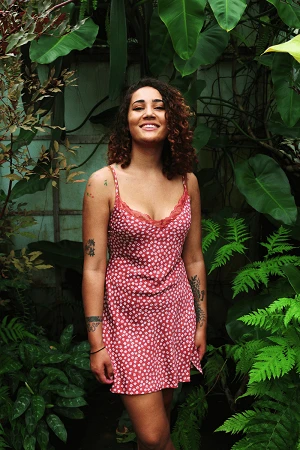
tattoo lover, plant hoarder, DIY addict and overall stoner grandma
Check out the FREE Gifts. Or latest free DIY eBooks from our best compilation.
Turn off Ad Block to reveal all the secrets. Once done, hit any button:
|
|
|
|