Tattoo Wishlist Part 2: Roses and My Rose Tattoo
by Mia M.
Rose tattoo designs and inspiration are among the most searched topics in body art — and for good reason. The rose adapts beautifully across every tattoo style, from a hairline fine-line bud to a bold, fully saturated neo-traditional bloom, which is exactly why it never goes out of fashion. This is Part 2 of our tattoo wishlist series, and if anyone missed the first installment, our post on beautiful words to tattoo is the perfect starting point. All of this sits in our personal section of the blog, where we document the things that genuinely matter to us.

There's a reason the rose has been a tattoo staple for well over a century. It carries real weight — love, grief, resilience, beauty alongside thorns. Most people find it sits at a rare intersection: universally recognizable, yet still deeply personal. The symbolism runs in every direction, which is part of why it keeps landing on wishlist after wishlist, including ours.
Our team spent a serious amount of time collecting and comparing rose tattoo references before Mia finally committed. What follows is everything we know: when to commit, what the process involves at a technical level, how the most popular styles stack up, and the specific designs that stopped us mid-scroll.
Contents
When a Rose Tattoo Makes Sense (And When to Wait)
The Right Moment to Book
Not every moment is the right moment. Our team has watched enough rushed rose tattoos age badly to know that timing genuinely shapes the outcome. Here's when most people are in the right position to commit:
- A specific placement has been decided on and lived with mentally for at least a few weeks — not just identified on a whim
- An artist with a portfolio of healed rose work has been found — fresh photos are flattering to everyone; healed photos reveal actual technique
- The skin at the target area is healthy, unbroken, and hasn't been recently sun-damaged or tanned
- A style direction has been narrowed to one or two options rather than remaining wide open
- The budget covers a skilled artist — cutting costs on the person doing the work is the single most common mistake in this process
The difference between a crisp, aging-well bloom and a muddy smear five years later comes down almost entirely to artist experience and technique, not luck.

Reasons to Hold Off
There are equally clear signals that waiting is the smarter move. Our recommendation is to pause when:
- The skin is tanned, sunburned, or mid-peel — color work suffers significantly on compromised skin
- The design hasn't been settled — getting "just any rose" rarely satisfies long-term
- Budget is stretched to the point where artist quality is being compromised
- A significant body change is underway — major weight fluctuation can distort placement dramatically over a short window
- It's a cover-up situation that hasn't been fully assessed by an experienced artist first
- The decision is emotionally reactive rather than considered — grief, heartbreak, and impulsive celebration all produce tattoos that people second-guess later

The Artist's Toolkit: What Makes a Great Rose Tattoo
Essential Equipment
Most people don't think about the technical setup, but the equipment behind a rose tattoo directly affects how the piece holds up. Here's what our team has learned matters most:
- Rotary vs. coil machines: Rotary machines deliver smoother, more consistent lines and are preferred for fine-line and realism work. Coil machines generate more power, making them better suited to traditional bold lines and solid color packing.
- Needle configurations: Round liners handle outlines; curved magnums blend petals softly; bugpin magnums are the tool of choice for hyper-detailed realism rose work
- Ink quality: Single-pigment inks hold longer than pre-blended formulas. For black and grey wash specifically, the ink needs to be purpose-formulated for dilution — not all black inks behave consistently when thinned
- Stencil precision: The transfer sets the entire foundation. Any asymmetry in the layout shows up in the final piece with no way to fix it mid-session
According to Wikipedia's overview of tattooing techniques, modern rotary machines have significantly expanded what's achievable in fine detail work — directly relevant to the petal intricacy that makes or breaks a rose tattoo.

The Techniques That Define Style
Each tattooing technique produces a fundamentally different version of the rose. Our team identifies these as the core approaches worth understanding before choosing:
- Black and grey wash: Built up in diluted layers; produces depth and softness without introducing color; ages very predictably
- Fine line / single needle: Extremely precise and delicate; best for smaller placements; fades faster and typically needs a touch-up within a few years
- Traditional packing: Bold outline, flat color fill, minimal shading — the classic sailor-style rose; ages exceptionally well over decades
- Realism shading: Complex layering to achieve photographic quality; requires a large canvas and a truly specialist artist
- Dotwork / stippling: Texture built entirely from dot density rather than solid lines; produces an organic, almost etched look

Rose Tattoo Designs and Inspiration: Styles Compared
The Main Style Categories
When building a reference board of rose tattoo designs and inspiration, settling the style question first saves a significant amount of wasted research. Here's how the most popular approaches compare side by side:
| Style | Line Weight | Longevity | Best Placement | Skill Level Required |
|---|---|---|---|---|
| Fine Line | Very thin / single needle | Moderate — fades & spreads over time | Wrist, ankle, ribcage | Very High |
| Traditional | Bold, consistent | Excellent — built to last decades | Upper arm, calf, chest | Medium |
| Black & Grey | Medium, varied | Very Good | All sizes and placements | Medium–High |
| Neo-Traditional | Bold with added detail | Excellent | Thigh, forearm, back | High |
| Realism | Varied, highly blended | Good — requires periodic touch-ups | Large areas only | Very High |
| Dotwork | No solid lines | Good | Shoulder, back, forearm | High |

Matching Style to Placement
Placement and style aren't independent decisions — they inform each other. Our team's thinking on the key pairings:
- Wrist / inner arm: Fine line or small traditional; realism gets lost entirely at small scale
- Forearm: Nearly any style succeeds here; excellent canvas for neo-traditional or medium-scale black and grey
- Ribcage / sternum: Fine line only — movement and stretch make bold solid work difficult to execute cleanly
- Thigh: The best real estate for large realism or neo-traditional pieces; the skin stays stable over time and gives an artist genuine room to work
- Back of hand / fingers: Fades fastest regardless of style; frequent touch-ups should be expected regardless of artist quality

Our Best Practices for a Rose Tattoo That Lasts
Aftercare That Protects the Work
A well-executed rose tattoo can be completely undermined in the first two weeks through careless aftercare. Our recommended process, step by step:
- Keep the wrap on for the time the artist specifies — 2–4 hours for standard wrap, up to 3 days for second-skin film
- Wash gently with unscented antibacterial soap and lukewarm water; no scrubbing under any circumstances
- Pat dry with a clean paper towel — fabric towels harbor bacteria and snag healing skin
- Apply a thin layer of unscented tattoo-specific moisturizer; less is genuinely more
- Keep the healing tattoo out of direct sun for at least three to four weeks
- Never pick or peel lifting skin — this pulls ink out and creates scarring that no touch-up can fully correct
- Avoid swimming pools, hot tubs, and open water until the skin has fully closed
Pro insight: Most faded, patchy rose tattoos aren't the artist's fault — the culprit is almost always sun exposure during healing or picking through the peel phase. Protecting the healing tattoo is non-negotiable and easily the most underrated part of the whole process.

Placement Wisdom
Beyond style matching, placement is where most people under-research. A few principles our team holds firmly:
- High-flex areas age tattoos faster — inner elbow, the back of the knee, finger joints; factoring aging in at the planning stage matters
- Areas that rub against clothing constantly (waistband line, bra strap zone) need significantly more vigilant aftercare
- Fair skin shows color vividly; deeper skin tones read bold traditional and black and grey most clearly — the visibility factor is worth considering honestly
- Scale is underestimated — a rose smaller than a 50p coin rarely holds fine detail long-term regardless of the artist's skill level
- Consulting the chosen artist about placement before finalizing is the most underused step in the entire process; most artists have strong, informed opinions and will share them freely
For anyone in the research-and-planning phase, the same organizational discipline that helps with any creative project applies here too. Our post on cultivating creativity in daily life covers some genuinely useful frameworks for gathering, sorting, and refining visual references into something actionable.

Rose Tattoos That Stopped Our Scroll
Mia's Own Rose Tattoo
After a long time on the wishlist, the rose tattoo finally happened. The design that landed was a single-stem black and grey rose on the wrist — nothing extreme, nothing oversized, but exactly right for the placement. The decision came down to longevity: a medium-small piece in black and grey ages better on the wrist than fine-line work would, and it stays readable as the skin moves naturally with age.


The references that most informed the final design leaned toward clean, slightly botanical line work rather than the stylized Pinterest versions that dominate most search results. Healed photos were the deciding filter throughout — any design that didn't look good healed got cut from the shortlist immediately. That's our single strongest recommendation for anyone in the same research process.


Designs Worth Bookmarking
From the hundreds of rose tattoos our team reviewed during the research phase, certain design categories produced strong results consistently. These are the ones worth saving:
- Single stem with visible thorns: Clean, meaningful, reads well at any scale — probably the most versatile rose format
- Half-open bud: More dynamic than a fully open bloom; captures movement in fine-line beautifully
- Rose with integrated script: A classic pairing — works best when the text and flower have visual breathing room between them
- Geometric rose: Sharp angular facets meeting organic petals; striking in black and grey, particularly in larger formats
- Watercolor rose: Visually stunning when fresh; ages the least predictably of any style — important to factor this into the decision
- Neo-traditional with shading accents: Saturated color, bold outlines, built to stay clear and vibrant through decades of wear


Frequently Asked Questions
What is the most popular rose tattoo style right now?
Fine-line and black and grey rose tattoos dominate most artist portfolios currently. Fine line appeals to anyone wanting something delicate and minimal, while black and grey suits a broader range of placements and ages far more predictably. Our team considers black and grey the safer long-term investment of the two.
How long does a rose tattoo take to fully heal?
Surface healing typically takes two to three weeks, but full dermal healing takes closer to three to four months. Most people see the tattoo settle into its final appearance — color, contrast, and line clarity — somewhere around the six-week mark. Patience during this window is essential.
Do rose tattoos fade faster than other tattoo designs?
Rose tattoos with fine-line work or watercolor techniques do fade faster than bold traditional or neo-traditional styles. The fading is largely down to how much ink is packed into the skin rather than the design itself. Bold-outlined roses with solid fill consistently outperform lighter, more delicate styles on longevity.
Where is the best placement for a rose tattoo?
Our team's top placements are the forearm, upper arm, and thigh — all areas with relatively stable skin that give an artist room to work. Wrists work well for smaller, simpler designs. Areas with high flex or frequent friction (fingers, inner elbow, ribcage) age tattoos faster and require more touch-ups over time.
How much does a quality rose tattoo typically cost?
A simple fine-line or traditional rose from a skilled artist typically starts around £80–£150 in the UK. Larger, more detailed pieces — realism, neo-traditional, or full sleeve elements — range from £200 to £500 or more depending on artist experience and session time. Undercharging is a warning sign, not a bargain.
Can rose tattoos be used to cover up older tattoos effectively?
Roses are one of the more versatile cover-up designs because of their dense petal structure and ability to incorporate dark shading naturally. That said, cover-up work requires an experienced artist who assesses the original tattoo first. The darker and larger the original, the more the cover-up design needs to accommodate it structurally.
What does a rose tattoo traditionally symbolize?
The rose carries multiple meanings depending on context and color. Red roses traditionally represent love and passion; black roses are associated with grief or endings; white roses suggest purity or new beginnings. Many people choose the rose for its duality — beauty paired with thorns — as a personal symbol of resilience rather than any single fixed meaning.
How often does a rose tattoo need to be touched up?
A well-executed traditional or black and grey rose on a stable placement may go a decade or more without needing a touch-up. Fine-line work typically needs attention within three to five years. Sun exposure, skin type, and placement are the dominant variables. Annual use of SPF 50 on tattooed areas extends vibrancy significantly.
Final Thoughts
Rose tattoo designs and inspiration are genuinely everywhere — the challenge is filtering the noise and committing to the specific combination of style, placement, and artist that will still feel right years from now. Our team's strongest advice is to build a healed-photo reference board, identify an artist whose portfolio holds up over time, and resist any pressure to rush. Head to our personal posts for more from our own creative and style journey, and drop a comment below with the rose style most people on our team aren't sleeping on right now.
 |
 |
 |
 |

About Mia M.
Mia M. runs Beautiful Inspiring Creative Life, a personal blog covering DIY projects, bullet journaling, stationery, fashion finds, and interior inspiration. Her writing takes a creative-life-documentation approach — sharing the small aesthetic pleasures and practical projects that make daily life feel more intentional. Topics span hand-lettering and planner spreads, DIY room makeovers, thrift flips, affordable fashion, and honest reviews of the notebooks, pens, and craft supplies she actually uses. The blog began as a personal journaling project and grew into a creative-lifestyle space for readers building their own aesthetic routines, with posts that balance inspiration with the real-world budgets and time constraints of everyday hobbyists.
hey, i'm mia
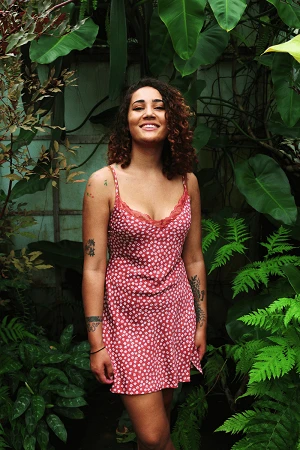
tattoo lover, plant hoarder, DIY addict and overall stoner grandma
Check out the FREE Gifts. Or latest free DIY eBooks from our best compilation.
Turn off Ad Block to reveal all the secrets. Once done, hit any button:
|
|
|
|