Bullet Journalling: A Complete Guide (Setup, Essentials & More)
by Mia M.
If you want to know how to start bullet journaling, here's the honest answer: grab a notebook, number your pages, and write down three things you need to do today. That's your first daily log — you've started. A bullet journal is a customizable analog system that works as your planner, diary, habit tracker, and creative outlet all in one. You build it around your life, not the other way around.

The method was developed by Ryder Carroll, a digital product designer who created it to help manage his own ADHD. Since then it's grown into a worldwide community of millions, with everyone from stressed students to busy parents adapting the system to suit their own needs. You can read about the origins on Wikipedia's bullet journal page. The core principle hasn't changed: write it down, track what matters, and keep moving.
Don't let the elaborate spreads you see online put you off. Those belong to people who've been doing this for years. Your first journal is supposed to be simple, slightly imperfect, and completely functional. That's actually the goal. Once you get a system working for you, it also becomes a brilliant tool for building creative habits — something we explore in these tips for cultivating creativity in your daily life.
Contents
How to Start Bullet Journaling: A Simple Setup Guide
The Only Supplies You Actually Need
You need a notebook and a pen. That's the complete list. The most recommended notebook for beginners is the Leuchtturm1917 dotted journal — it comes with pre-numbered pages and a built-in index, which saves you a step. A Moleskine works. So does a cheap notebook from a supermarket. Don't let supply-shopping become a reason to delay starting.

If you want to expand your kit gradually, here's what's actually useful:
- A fine-tip black pen — Staedtler Triplus or Micron are popular choices
- A ruler for clean dividers and headers
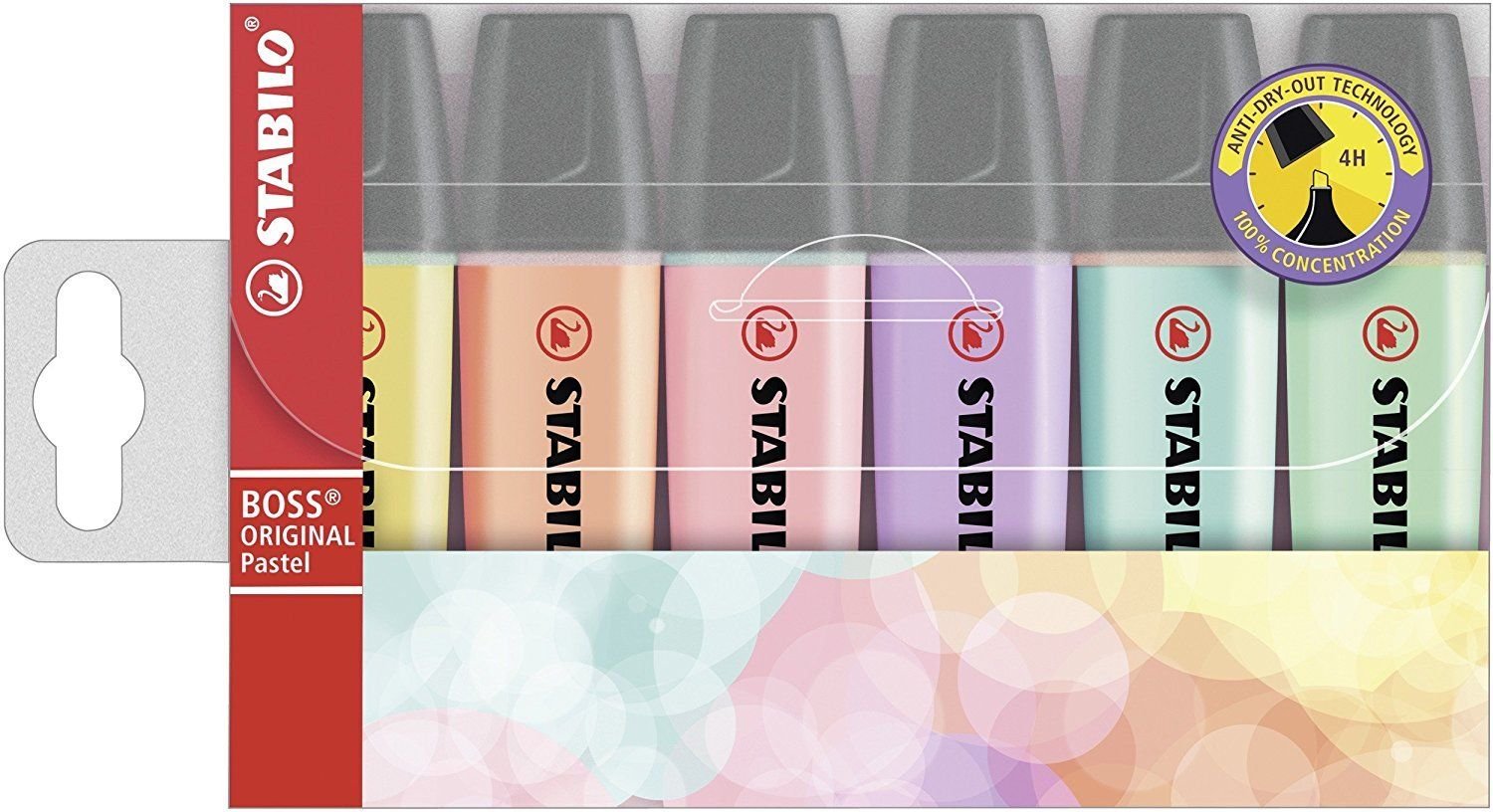
- 2–3 coloured pens for colour-coding tasks, habits, or moods
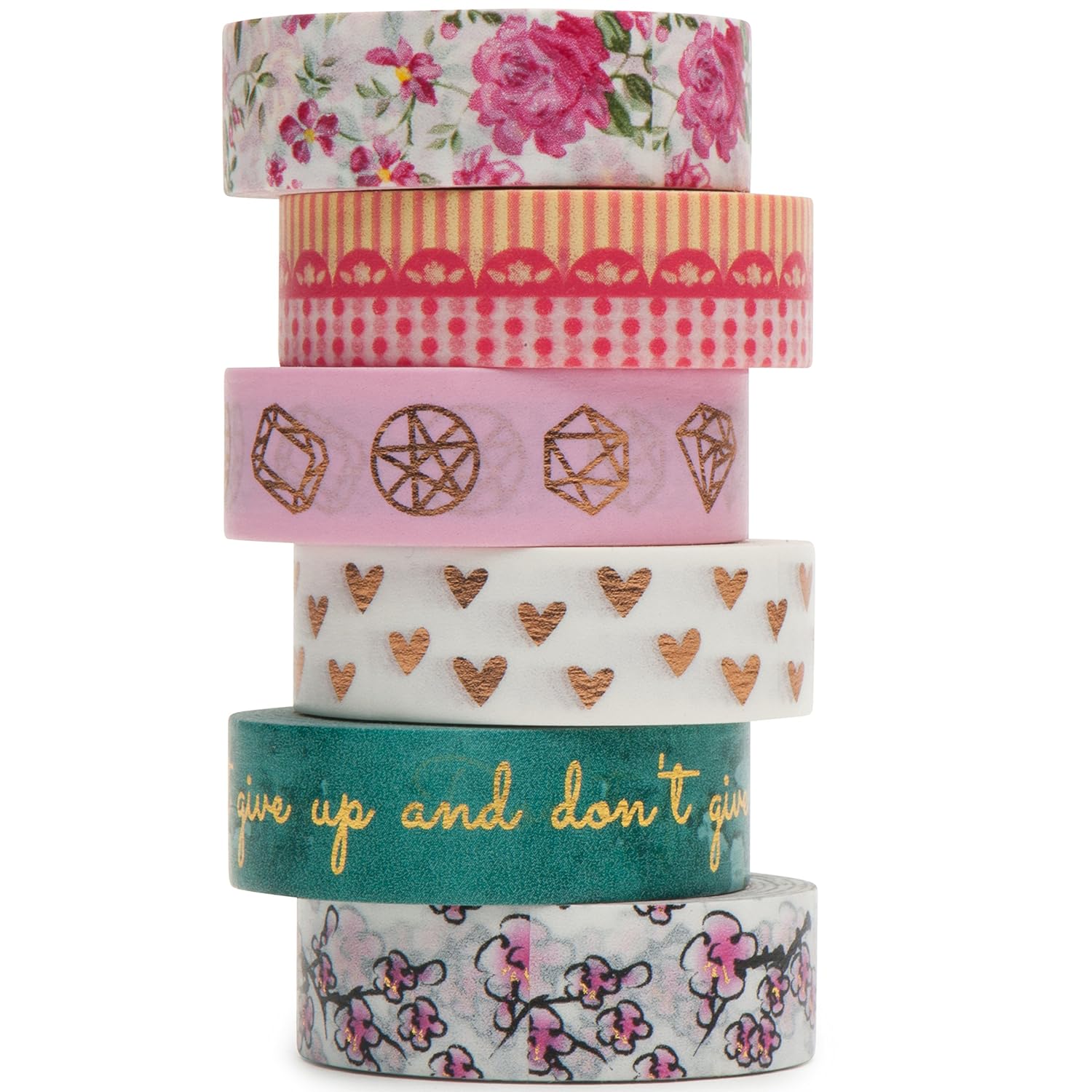
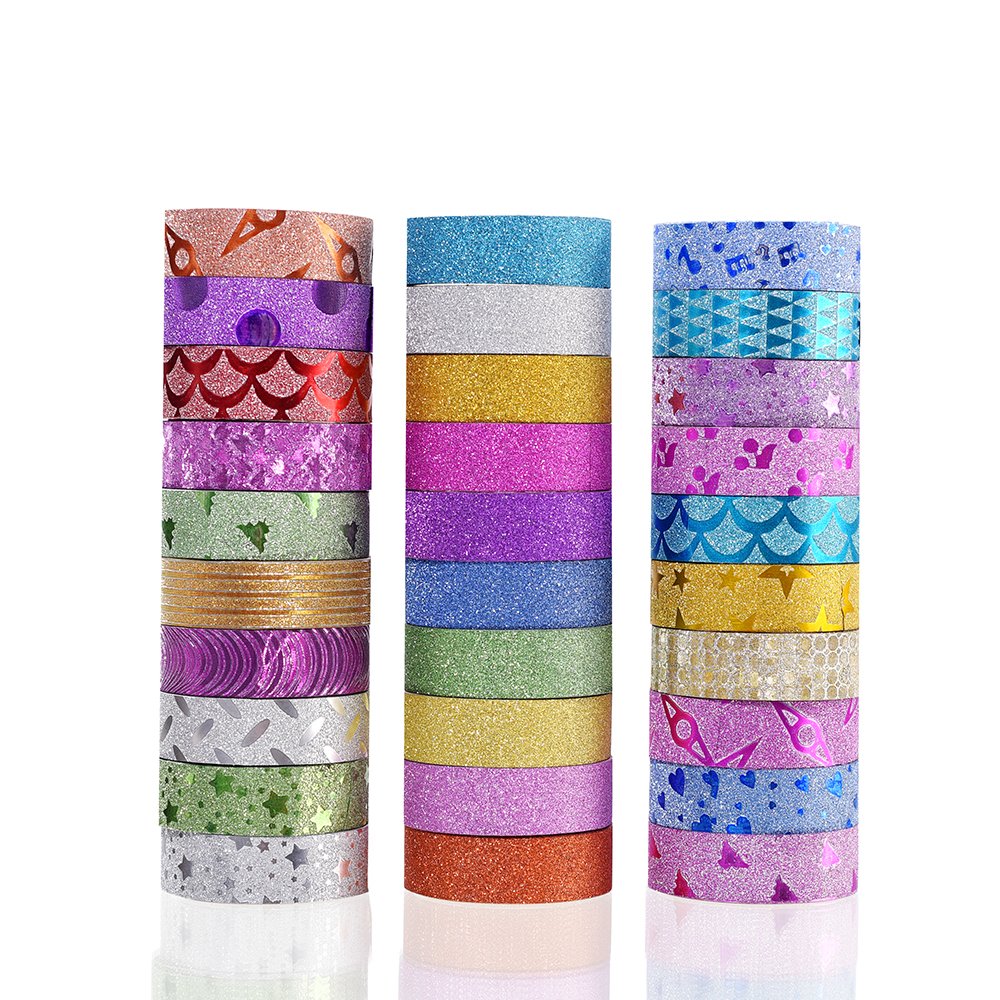
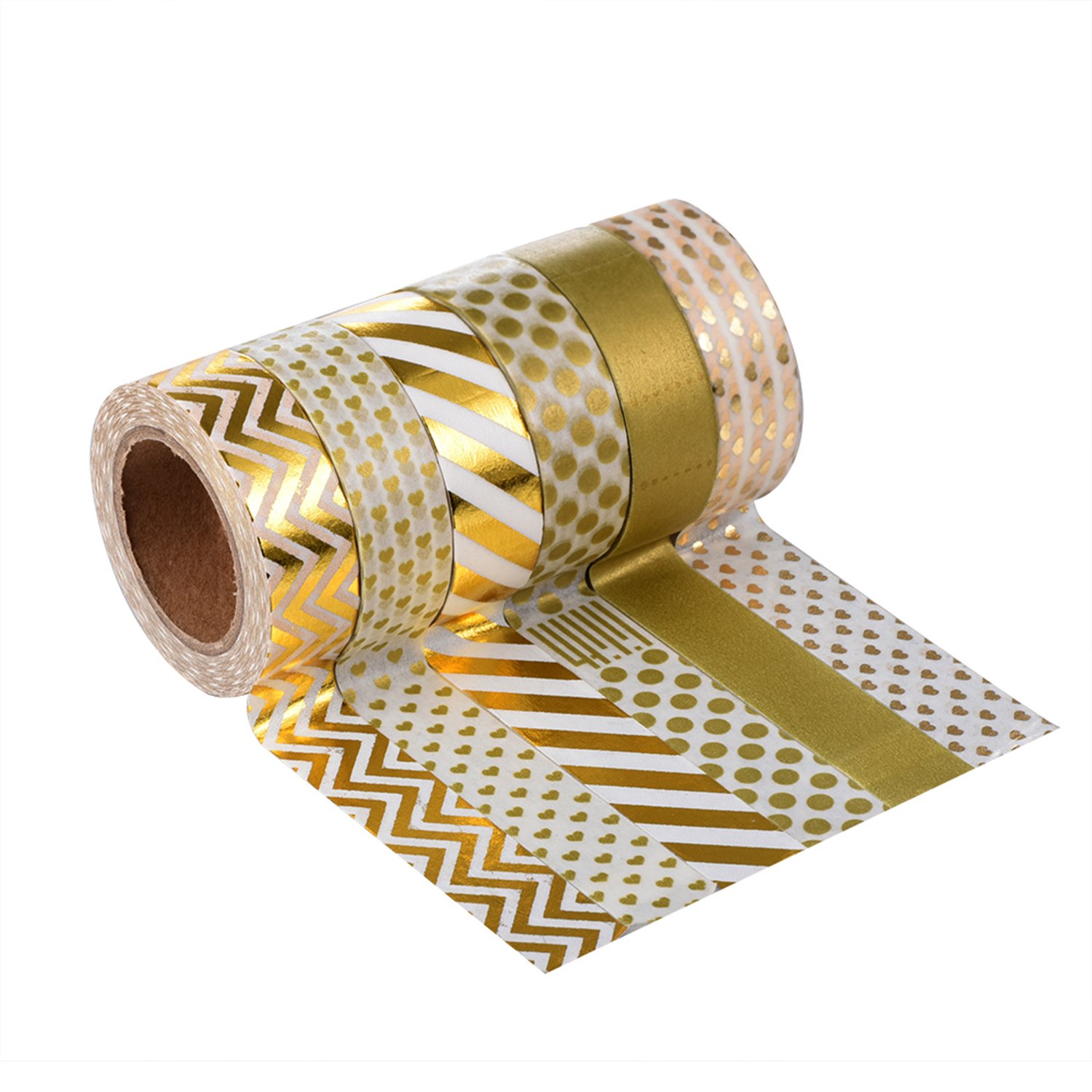
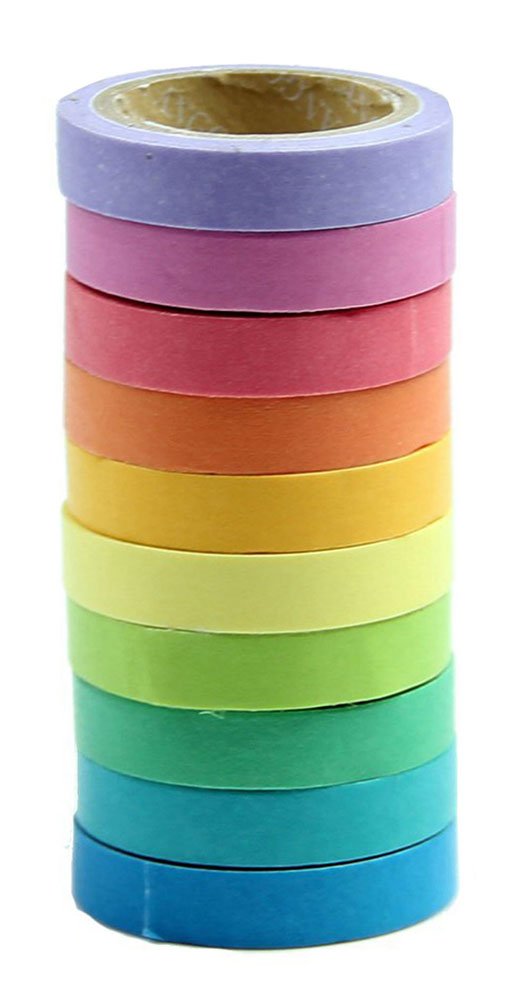
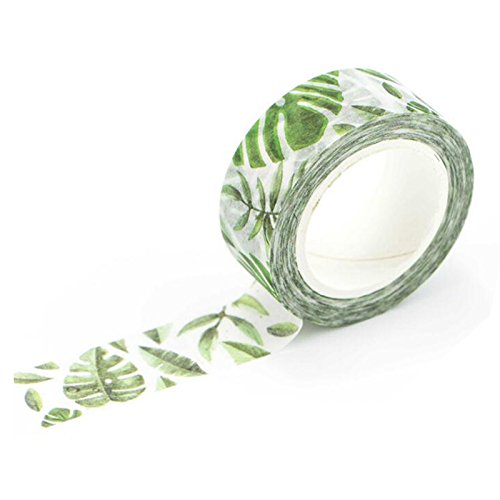
- Washi tape or stickers for decoration (entirely optional)

Resist the urge to buy a full stationery haul before your first page. Start minimal, then add tools as you discover what your journal actually needs.



Setting Up Your Core Pages
The original bullet journal method has four core components. You don't need all of them on day one, but understanding what they do helps you build a system that actually holds together.

- Index — your table of contents. Leave the first 2–4 pages blank and fill it in as you add spreads.
- Future Log — a 6-month overview where you drop in events and deadlines that aren't happening yet.
- Monthly Log — a two-page spread: a simple calendar on one side, a task list on the other.
- Daily Log — the heart of the system. Each day gets its own section for tasks, notes, and events using the rapid-logging bullet symbols.

The bullet symbols — called "rapid logging" — are the shorthand that keeps your journal fast and scannable. A dot (•) is a task. A dash (–) is a note. A circle (○) is an event. An X through the dot means done. A forward arrow (>) means you've migrated the task to tomorrow. It feels fiddly at first and becomes second nature within a week.


Pro tip: Don't set up your entire journal before you start using it — set up one spread at a time and add it to the index as you go. Waiting until everything is "ready" is how journals stay empty.

What You Can Actually Use a Bullet Journal For
Everyday Planning and Task Management
The most common use — and the one that keeps people coming back — is daily planning. Your bullet journal becomes your single source of truth for what needs to happen today, this week, and this month. No app, no notifications, no doom-scrolling to find your to-do list. Just the page.

Common everyday spreads people actually use:
- Weekly layout with days spread across two pages
- Prioritised to-do lists (split by urgent, important, someday)
- Meeting notes or lecture notes in line with your daily log
- Grocery and errand lists you can flip back to
- Brain dumps for when your head is too full to think straight

When you're ready to plan on a larger scale, check out this guide on planning with a bullet journal including goals and printables — it's a great companion for mapping out a full month at a time.
Wellness, Goals, and Creative Projects
This is where bullet journaling genuinely separates itself from any pre-printed planner. Because you design every page yourself, you can create custom trackers for anything.

- Habit trackers — water intake, exercise, sleep, skincare, anything you want to build consistency around
- Mood trackers to spot emotional patterns across a month
- Goal pages — big aims broken into monthly or weekly milestones
- Reading lists, watch lists, travel bucket lists
- Blog or project planning spreads
- Budget tracking and savings goals with visual progress bars


The flexibility is the entire point. If a tracker stops serving you, drop it next month. If you discover you need something new, add it. Nothing is permanent.
The Honest Pros and Cons of Bullet Journaling
Bullet journaling isn't a perfect system for everyone. Before you invest time setting one up, here's a straightforward look at both sides:
| Pros | Cons |
|---|---|
| Fully customizable — every page works the way you need it to | Takes real time to set up, especially your first month |
| No subscription fees, no app updates, no dead batteries | Easy to get distracted by decoration over function |
| Reduces digital distraction — no phone required to plan your day | Not easy to share or collaborate with others |
| Combines planning, journaling, and creativity in one place | Harder to search back through compared to digital tools |
| Helps you spot patterns in habits, moods, and productivity | Skipping days can create a guilt spiral if you let it |
| Portable — works anywhere without signal or power | When a notebook fills up, you need to migrate your index |


My honest take? Most of the cons are self-inflicted. Missing a few days doesn't break the system — you just pick up where you left off. The over-decoration trap is real, but it's a choice you make. Keep things functional and it works. If you're feeling stuck or overwhelmed in general, this guide on getting out of a burnout or slump and being productive is worth reading alongside your new journaling habit.
Warning: Skipping a few days is not failure — it's Tuesday. Don't abandon your bullet journal because you missed a week. Just draw a new daily log and carry on.

What Real Bullet Journals Look Like
The Minimal Approach
Most people who stick with bullet journaling long-term keep it deliberately simple. A minimal journal has clean headers, basic bullet lists, and maybe a coloured pen for emphasis. Setting up a weekly spread takes five minutes. It's fast, functional, and — crucially — it actually gets used every day.

If you're just learning how to start bullet journaling, start as minimal as possible. Give yourself permission to make it plain and boring. A boring journal you use every single day is worth more than a beautiful one you're afraid to write in.




The Creative Approach
Once you have the basics running smoothly, some people turn their bullet journal into a genuine art project. Watercolour headers, botanical borders, illustrated habit trackers, hand-lettered monthly themes. This is where the community gets exciting to follow and endlessly inspiring to scroll through.

You don't need to be an artist to add a personal touch. A simple colour-blocked header or a hand-drawn border makes your spreads feel uniquely yours. The creative dimension is what keeps many people journaling for years — it's a low-pressure creative practice that doubles as a productivity tool. Many people find it a natural companion to other creative habits.




Frequently Asked Questions
Do I need a special notebook to start bullet journaling?
No. Any notebook works. Dotted grid is the most popular format because dots are subtle enough to ignore but still guide your lines. Leuchtturm1917 and Moleskine are community favourites, but a plain supermarket notebook is a perfectly fine place to begin.
How long does it take to set up a bullet journal?
Your first setup — index, future log, monthly log, and a few daily logs — takes about 20–30 minutes. After that, weekly maintenance is around 10 minutes per week. Monthly setup takes another 15–20 minutes. It gets faster as you settle into your own system.
What is rapid logging?
Rapid logging (a term from the original bullet journal method) is the shorthand system you use to capture tasks, notes, and events quickly. Each entry gets a bullet symbol: a dot for tasks, a dash for notes, and a circle for events. You modify the symbol when the status changes — an X for done, an arrow for migrated.
Can I bullet journal digitally on a tablet?
Yes. Apps like Goodnotes and Notability on iPad are popular for digital bullet journaling with an Apple Pencil. You get the handwriting feel with the ability to search and reorder pages. Whether analog or digital is "better" comes down to personal preference — both approaches work.
What do I do if I miss several days or weeks?
Just open to a fresh page and start a new daily log for today. Don't backfill, don't catch up, don't feel guilty. The bullet journal method calls this "migrating" — any undone tasks that still matter get copied forward. Everything else gets dropped. Missing time is normal, not failure.
How is a bullet journal different from a regular planner?
A planner gives you a fixed structure someone else designed. A bullet journal gives you blank pages you build yourself. That means you only create sections you actually need, your layout can change month to month, and nothing is wasted on pages you'd never use in a pre-printed format.
Is bullet journaling worth it if I'm not a creative person?
Absolutely. The creative spreads you see online are entirely optional. The core system is just a numbered notebook with a few symbols and a simple index. Plenty of long-term bullet journalists keep every page plain text. The creativity is a bonus, never a requirement.
Final Thoughts
The best time to start your bullet journal is today, with whatever notebook is closest to you right now. Open to the first blank page, write today's date, and list three things you need to do — that's your first daily log, and you're already doing it. Browse the bullet journal category here on the blog for spread ideas, theme inspiration, and more tips from Mia M. as you build your own system over time.
 |
 |
 |
 |

About Mia M.
Mia M. runs Beautiful Inspiring Creative Life, a personal blog covering DIY projects, bullet journaling, stationery, fashion finds, and interior inspiration. Her writing takes a creative-life-documentation approach — sharing the small aesthetic pleasures and practical projects that make daily life feel more intentional. Topics span hand-lettering and planner spreads, DIY room makeovers, thrift flips, affordable fashion, and honest reviews of the notebooks, pens, and craft supplies she actually uses. The blog began as a personal journaling project and grew into a creative-lifestyle space for readers building their own aesthetic routines, with posts that balance inspiration with the real-world budgets and time constraints of everyday hobbyists.
hey, i'm mia

tattoo lover, plant hoarder, DIY addict and overall stoner grandma
Check out the FREE Gifts. Or latest free DIY eBooks from our best compilation.
Turn off Ad Block to reveal all the secrets. Once done, hit any button:
|
|
|
|