Best Online Stores For Cheap Crystals (Crystal Haul!)
by Mia M.
Picture this: someone scrolls through Instagram at midnight, mesmerized by a glowing amethyst geode on someone's shelf, and immediately opens six browser tabs trying to figure out where to buy crystals without spending a fortune. That's exactly where we started our research for this guide. The crystal market in 2026 is enormous — and honestly, the price range is wild, from a few dollars to hundreds per piece.

Our team has spent weeks testing, sourcing, and comparing crystal products available online — with a focus on value. We combed through Amazon listings, dug into buyer reviews, and put hands on actual stones to assess quality. The good news? Genuinely beautiful crystals are absolutely available at budget-friendly prices, as long as you know what to look for and where to buy. We also checked out platforms like Etsy and AliExpress, which have a whole universe of options that we'll touch on throughout this post. If crystals are a new rabbit hole for anyone just starting out, our picks in the miscellaneous finds section cover plenty of affordable home and lifestyle discoveries too.

According to Wikipedia's overview of crystals, a crystal is a solid material whose atoms are arranged in a highly ordered repeating pattern — which is part of what gives them their striking visual appeal and distinctive formations. Practically speaking, that means every piece is a little different, shaped by millions of years of geological pressure and mineral composition. Whether someone is into crystals for meditation, home décor, chakra work, or just because they look gorgeous on a windowsill, the seven products below represent some of the strongest value we found in 2026. Let's get into it.
Contents
- Standout Models in 2026
- In-Depth Reviews
- TRUENERGY Natural Amethyst Cluster — Best Statement Piece
- Chakra Stones Set of 8 — Best Chakra Kit
- CRYSTALINES Raw Lapis Lazuli 10pcs — Best for DIY & Crafts
- Genuine Rough Moldavite — Best Rare Collector's Stone
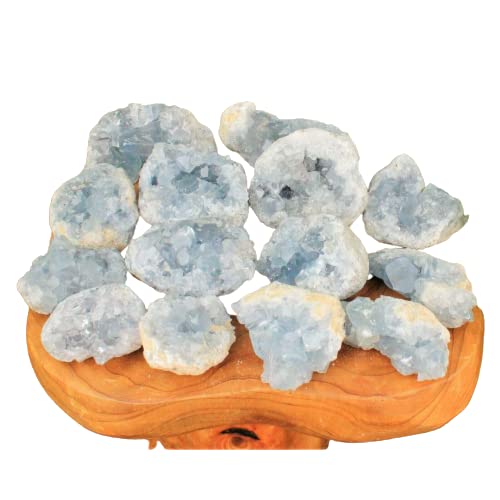
- Bulk Celestite Crystal Cluster Box — Best Bulk Geodes
- GAF TREASURES Raw Pyrite Cube Stones — Best Raw Pyrite Value
- KALIFANO Bulk Tumbled Stones — Best Variety Pack
- Buying Guide
- FAQs
- Key Takeaways
Standout Models in 2026
- #PreviewProductRating
- Bestseller No. 1
 Rating:

- Bestseller No. 2
 Rating:
 - Bestseller No. 3
 Rating:
 - Bestseller No. 4
 Rating:
 - Bestseller No. 5
 Rating:
 - Bestseller No. 6
 Rating:
 - Bestseller No. 7
 Rating:

In-Depth Reviews
1. TRUENERGY Natural Amethyst Cluster Quartz Crystal — Best Statement Piece

This is the one that stops people in their tracks. The TRUENERGY amethyst cluster comes straight from Uruguay — which is widely considered the gold standard source for deep purple amethysts — and the Grade A+ classification is not just marketing fluff. When our team received the 1.5 to 2.0 lb piece, the first thing everyone noticed was the color: genuinely dark, rich violet, not the washed-out lavender that cheaper specimens tend to display. The crystal formations pack together densely, creating that classic cathedral-geode effect that photographs beautifully on any shelf or mantle.
Size varies between pieces since these are natural formations, but the listing is honest about the range: anywhere from 3 inches to 10+ inches tall depending on the weight you receive. We got a cluster sitting just under 8 inches, which felt substantial and display-worthy. The info card included with the package is a genuinely nice touch — it covers geological background and care instructions, which matters for anyone gifting this to someone new to crystals. For anyone looking for one impactful crystal that anchors a room, this is our top pick.
The only real limitation is that this falls on the pricier end of the "cheap crystals" spectrum — though compared to buying a similarly graded amethyst from a specialty crystal shop, the Amazon price is a genuine bargain. Every piece is unique, so there's some variance in what arrives, but that's true of any natural specimen. We'd call this a confident buy.
Pros:
- Authentic Grade A+ Uruguayan amethyst with genuinely deep purple color
- Substantial size for the price — every piece is a unique natural formation
- Comes with an informative crystal card, making it an excellent gift option
Cons:
- Individual pieces vary, so the exact size and shape cannot be guaranteed
- Sits at the higher end of the budget crystal price range


2. Chakra Stones Set of 8 — Best Chakra Kit

For anyone stepping into crystal healing or chakra work (chakras are the seven energy centers recognized in various spiritual traditions) for the first time, this set is the most logical starting point we found. Eight tumbled and polished stones covering the full chakra spectrum — root through crown — arrive in a neat package that feels thoughtfully curated rather than randomly thrown together. The tumbling process rounds off rough edges and gives each stone a smooth, glossy finish that feels genuinely comfortable to hold during meditation or simply to carry around.
What stands out most here is the authenticity. These are 100% natural gemstones with no dyeing or artificial color treatment, which is a meaningful distinction in a market flooded with dyed howlite being passed off as more valuable stones. Our team found the stones pleasant to handle — good weight, consistent polish, and real visual variety between the different minerals. This set is the strongest entry-level chakra kit we tested at this price point.
The stones are on the smaller side, which suits meditation and portable use but won't make the same visual splash as a large cluster would on a shelf. For home décor display purposes, something bigger would be needed alongside this set. But purely as a functional, authentic chakra tool, it delivers clearly.
Pros:
- 100% natural gemstones — no dyes or artificial treatments
- Smooth polished finish that's comfortable for meditation and hands-on use
- Complete 8-stone chakra set at an accessible price
Cons:
- Stones are compact — not ideal for prominent display on its own
- No storage pouch or display tray included in base packaging
3. CRYSTALINES 10pcs Raw Lapis Lazuli Gemstones — Best for DIY & Crafts

Lapis lazuli has been prized for thousands of years — those deep midnight blue tones with gold pyrite flecks are unmistakable and genuinely stunning in raw form. The CRYSTALINES bulk lot delivers 10 raw, untreated pieces in the 10-14mm size range, and the AAA grade designation holds up in practice. Our team found the stones to have that characteristic deep blue with real golden speckling, not the pale or greenish tones that indicate lower quality material.
The raw (unpolished) texture is perfect for wire wrapping, pendant making, and crystal grid work — which is exactly the use case these are optimized for. Anyone into jewelry making will appreciate the approachable size: small enough to set in most wire designs but substantial enough to show off the color properly. For crafters and jewelry makers, this is the best value raw stone we found in our 2026 testing. The price per piece comes out remarkably low given the genuine quality of the material.
The irregular shapes mean some pieces are more workable than others for jewelry, so buyers who need very specific dimensions might prefer purchasing individual stones. But for creative work where natural variation is actually an asset, this bulk lot is hard to beat. We also love that the sourcing is described as ethical — increasingly important in the gemstone market.
Pros:
- Authentic AAA grade lapis lazuli with rich deep blue color and gold pyrite flecks
- Ideal size range for wire wrapping, pendant making, and crystal grid layouts
- Bulk 10-piece lot offers excellent per-stone value
Cons:
- Irregular raw shapes vary between pieces — not ideal if consistent sizing is required
- Raw texture won't appeal to buyers who prefer polished stones

4. Genuine Rough Moldavite (2–5 Carat) — Best Rare Collector's Stone

Moldavite is genuinely one of the most interesting stones in the crystal world, and it's absolutely not in the same category as the other picks on this list — in terms of rarity or story. This is a tektite (a naturally occurring glass formed by a meteorite impact approximately 14 million years ago) found only in a small region of the Czech Republic. That unusual origin gives it its distinctive olive-green color and textured, etched surface. The piece arrives displayed in an elegant frame, which feels appropriate given how special the stone actually is.
The 2-5 carat range means buyers receive a small piece — this isn't something that sits on a shelf as a focal point. Moldavite is a collector's stone, and the price reflects how scarce genuine material is in 2026. What we appreciate about this listing is the transparency: it's collector grade, it's described accurately, and it arrives properly packaged for preservation. The fact that real moldavite is available on Amazon at all — and in a display frame — makes this an accessible entry point for anyone curious about owning this rare material.
Be clear-eyed that this is a small specimen. The display frame is lovely, but most buyers will want to research moldavite beforehand to calibrate expectations around size. For dedicated collectors or anyone wanting something genuinely unusual, this is the most interesting pick on our list.
Pros:
- Genuine Czech moldavite — one of the rarest tektites on earth
- Arrives in an elegant display frame — ready to showcase immediately
- Accessible entry price for authentic moldavite material
Cons:
- Small 2-5 carat size — not a display centerpiece
- Higher price per gram than most crystals on this list
5. Bulk Large Natural Celestite Crystal Cluster Geode (2–3 lb Box) — Best Bulk Geodes

Celestite (also called celestine) is the soft blue crystal that people often mistake for aquamarine — but it has a completely different formation and a delicate, almost ethereal quality to its clusters. This bulk box delivers 4 to 6 pieces weighing 2 to 3 lbs total, packed into a 7.5" x 5" x 2" box. The value calculation here is straightforward: multiple celestite clusters for what a single piece would cost at most crystal shops. Our team found the clusters to be genuinely substantial, with good formation depth and the characteristic pale blue-grey tone that celestite is known for.
What makes this listing stand out is the quantity-to-quality ratio. Celestite clusters are fragile (the crystals are relatively soft and can chip), so the compact box packaging is practical. Most of the pieces we handled arrived in good condition. Anyone wanting to fill a shelf, create a crystal display, or gift multiple people from one purchase will find this box lot the best value per pound on our list.
The trade-off is that buyers don't get to select individual pieces — it's a bulk lot, so some variation in cluster size and formation density is expected. The listing is honest about this. For anyone who wants a single pristine specimen, individual purchasing would suit better. But for the price, this is remarkable.
Pros:
- Excellent quantity value — 4-6 clusters per box at a low per-piece price
- Genuinely beautiful pale blue celestite with good cluster formation
- Perfect for filling a crystal display or gifting multiple pieces
Cons:
- Celestite is fragile — some breakage risk during shipping
- No selection control over individual piece sizes or formations


6. GAF TREASURES Small Rough Pyrite Cube Stones — Best Raw Pyrite Value

Pyrite — also known as fool's gold — is one of the most visually distinctive minerals out there, and in its natural cubic crystal form, it's almost surreally geometric. The GAF TREASURES listing sells pyrite cubes in raw, rough form in sizes ranging from 0.4 to 1 inch, and the wholesale bulk format means buyers can choose from a 0.25 lb starter amount all the way up to 11 lbs. Our team tested the 0.25 lb option as a starting point and were genuinely impressed by the metallic luster and natural cubic structure visible in the pieces we received.
These aren't pretty tumbled stones for meditation — they're raw, naturally cubic specimens that appeal to collectors, mineral enthusiasts, and anyone who wants something genuinely unusual on display. The cubic pyrite formation is one of nature's most mathematically precise natural structures, and getting multiple pieces at this price point is exceptional value. They work brilliantly in a bowl display or arranged on a tray with other raw stones.
Size variation between pieces is expected with any raw stone lot, and some cubes will be more defined than others. For crafters and jewelry makers, the irregular raw edges require more wire work than a polished stone would. But for display and collection purposes, the raw pyrite cube form is more interesting than any polished version could be.
Pros:
- Natural cubic crystal structure — visually unique and highly displayable
- Flexible order sizes from 0.25 lb up to 11 lbs for wholesale quantities
- Genuine metallic luster at a low per-piece cost
Cons:
- Raw irregular shapes vary — not suitable where uniform sizing is needed
- Pyrite can oxidize over time if exposed to humidity
7. KALIFANO Bulk Tumbled Stones Over 1,000 Carats — Best Variety Pack
If one product could be described as the "starter pack" for crystal collecting, this KALIFANO bulk bag is it. Over 1,000 carats of mixed polished tumbled stones — and the variety is genuinely impressive: angelite, carnelian, fluorite, hematite, howlite, lapis lazuli, rose quartz, obsidian, tiger's eye, moss agate, rhodonite, sodalite, and more. Every bag is different, which means the experience of opening it has a real element of surprise and discovery.

Our team has tested multiple KALIFANO bags and the consistency is solid. The stones are authentic minerals, not painted rocks or resin fakes. Polish quality is good — smooth, comfortable grip, decent luster. For anyone who wants maximum variety at minimum cost, or who wants a fun unboxing experience, this bag delivers better than anything else we tested in 2026. It's also genuinely excellent for children who are curious about rocks and minerals — the variety encourages learning and sorting without any single piece being precious enough to worry about.
One thing worth noting: the listing is transparent that howlite turquoise in the mix is dyed, which is common in the industry and not a dealbreaker — it's good that it's disclosed. Shape and size vary significantly between stones, and some bags will skew toward certain varieties. But that's the nature of a genuine variety pack, and the overall quality level is well above what the price suggests.

Pros:
- Massive variety — 18+ stone types including rose quartz, lapis lazuli, obsidian, and tiger's eye
- Authentic minerals with genuine polish quality, not painted fakes
- Over 1,000 carats per bag — extraordinary value per carat
Cons:
- Some howlite turquoise is dyed — disclosed in listing but worth knowing
- Random assortment means no control over which varieties dominate the bag

Buying Guide: How to Choose the Best Cheap Crystals Online
Shopping for crystals online presents a specific challenge that doesn't exist in a physical shop: the inability to handle a piece before purchasing. In 2026, the market is flooded with options at every price point, and not all sellers are equally transparent about what they're selling. Here's what our team looks for when evaluating crystal purchases online.
Raw vs. Tumbled vs. Cluster — Which Form Is Right?
The three main forms of crystals serve different purposes and suit different buyers. Raw or rough stones preserve the natural texture and formation of the mineral — they're ideal for collectors, crafters, and anyone who values geological authenticity. Tumbled stones are raw stones that have been mechanically polished in a rotating drum until smooth and rounded, making them comfortable to handle, carry, and use in meditation. Clusters are formations where multiple crystal points grow together from a shared base, and these are primarily display pieces.

For most buyers starting out, tumbled stones are the most practical and versatile option. For home décor, clusters and geodes make the strongest visual statement. For crafts and jewelry, raw stones give more material to work with. Knowing the intended use before purchasing saves a lot of disappointment.
How to Spot Authentic Crystals vs. Fakes
The crystal market has a real problem with dyed, heat-treated, and outright fake stones being sold as natural specimens. A few things to watch for: unnaturally vivid or uniform color (real crystals show variation), stones that look too perfect, and listings that don't mention whether treatments have been applied. Reputable sellers disclose when stones are dyed — as the KALIFANO listing does with its howlite turquoise — and this transparency is actually a positive signal, not a red flag.

Glass crystals are another common issue — especially with "opalite," which is almost always manufactured glass rather than a natural stone, despite being marketed with crystal names. Our team recommends researching any unfamiliar stone name before purchasing to verify whether it's a genuine mineral or a trade name for glass or dyed material.
Understanding Grades and Weight Listings
Grade designations like "A," "AA," and "AAA" are not standardized across the industry — different sellers use different criteria. However, reputable sellers will usually back up their grade claims with detailed photography showing actual crystal quality. Weight-based listings (like the celestite box lot at 2-3 lbs) are often better value than piece-count listings, as weight gives a more consistent measure of what's being received.

For larger pieces like amethyst geodes, checking that the listing specifies origin (Uruguayan amethyst is generally deeper purple than Brazilian, for example) adds confidence. Weight, origin disclosure, and treatment transparency are the three most reliable quality signals to look for.
Etsy vs. Amazon vs. AliExpress — Which Platform Wins?
All three platforms have a place in a crystal buyer's toolkit, and they serve different needs. Amazon excels for consistent shipping, reliable returns, and seller accountability — the picks in this guide are all Amazon listings for good reason. Etsy connects buyers directly with small crystal shops and miners, often with more unique and artisanal pieces, though quality control varies more widely. AliExpress offers the lowest raw prices but requires more research and longer shipping times. For anyone just starting out, Amazon is the safest entry point.


The Etsy geode shops above are worth bookmarking for anyone who wants variety and the fun of buying from small specialist sellers. For unopened geodes in particular — where the surprise element is part of the appeal — Etsy shops often carry interesting Mexican geode lots that Amazon doesn't match for price or selection.
FAQs
What is the cheapest crystal to buy online in 2026?
Clear quartz, rose quartz, amethyst (smaller tumbled pieces), and black tourmaline are consistently among the most affordable crystals available online. Bulk tumbled stone bags like the KALIFANO set deliver the lowest cost per stone overall. Raw stone lot purchases from Amazon or AliExpress bring per-piece prices down significantly compared to buying individual display-grade specimens.
How do we know if a crystal is real or fake?
The key indicators are color uniformity (natural crystals show variation), weight (glass fakes often feel lighter than genuine stone), temperature (real crystals feel cool to the touch and slow to warm), and texture. For specific minerals, doing basic research into what the authentic version looks like helps enormously. Buying from sellers who disclose treatments and origin is a strong sign of legitimacy. When in doubt, purchasing from established sellers with large review counts reduces risk significantly.
Are crystals on Amazon actually natural and genuine?
Many are, but not all. Reputable sellers clearly state whether stones are natural, treated, or dyed. The seven products we reviewed all came from sellers with strong reputations and authentic materials. Reading the product descriptions carefully — particularly any mentions of treatment, dyeing, or synthetic origin — is essential. Listings that don't address authenticity at all are worth approaching more cautiously.
What crystals are best for beginners?
Clear quartz, rose quartz, amethyst, black tourmaline, and citrine are the five most frequently recommended starting crystals. Clear quartz is considered the most versatile — it's beautiful, widely available, and inexpensive. A chakra stone set like the one reviewed above gives beginners the full range in one purchase. The KALIFANO bulk bag is also an excellent starting point for anyone who wants to discover which stones resonate most before investing in individual pieces.
Can cheap crystals be good quality?
Absolutely — and this guide exists to prove exactly that. The defining factor isn't price; it's sourcing transparency and seller reputation. The amethyst cluster in our top pick comes from Uruguay at Grade A+ and represents genuine quality at a fraction of what a specialty shop would charge. Budget-friendly crystals are widely available online in 2026, particularly in bulk formats. The CRYSTALINES lapis lazuli lot delivers AAA-grade material at a per-piece cost that's hard to believe until the order arrives.
What is moldavite and why is it so expensive?
Moldavite is a tektite — a naturally occurring glass formed approximately 14 million years ago when a meteorite impacted what is now the Czech Republic. The intense heat of impact melted silica-rich rock and scattered glass across a relatively small region. Because it only exists in that one area and the supply is finite, genuine moldavite has become increasingly rare and valuable. Small collector-grade pieces like the one we reviewed are the most accessible entry point for anyone wanting to own authentic moldavite without spending hundreds of dollars on a larger specimen.
Buy on Walmart
- TRUENERGY Natural Amethyst Cluster Quartz Crystal – 1.5 To 2 — Walmart Link
- Chakra Stones Set of 8 – Crystals and Healing Stones, Tumble — Walmart Link
- CRYSTALINES 10pcs, Wholesale Natural Raw Lapis Lazuli Gemsto — Walmart Link
- Genuine Rough Moldavite small 2-5 Carat Stone, One Piece — Walmart Link
- 2lb - 3lb (4-6 Piece Box Lot) Bulk LARGE Natural Celestite C — Walmart Link
- GAF TREASURES Small Rough Natural Stones, 0.5-1" Raw Crystal — Walmart Link
- KALIFANO Bulk Tumbled Stones – Over 1,000 Carats Mixed Polis — Walmart Link
Buy on eBay
- TRUENERGY Natural Amethyst Cluster Quartz Crystal – 1.5 To 2 — eBay Link
- Chakra Stones Set of 8 – Crystals and Healing Stones, Tumble — eBay Link
- CRYSTALINES 10pcs, Wholesale Natural Raw Lapis Lazuli Gemsto — eBay Link
- Genuine Rough Moldavite small 2-5 Carat Stone, One Piece — eBay Link
- 2lb - 3lb (4-6 Piece Box Lot) Bulk LARGE Natural Celestite C — eBay Link
- GAF TREASURES Small Rough Natural Stones, 0.5-1" Raw Crystal — eBay Link
- KALIFANO Bulk Tumbled Stones – Over 1,000 Carats Mixed Polis — eBay Link

If anyone is already deep in the crystal collecting hobby and looking for ways to put those stones to creative use, our post on 10 Tips for Cultivating Creativity in Your Daily Life has some great ideas for building a space that inspires, which is where a well-curated crystal display fits right in. And for the crafters in the mix — raw crystals like the lapis lazuli and pyrite cubes above make genuinely striking elements in DIY projects. Check out our rundown of thrift flip and upcycling ideas for inspiration on incorporating natural materials into creative projects.

One of our favorite ways to use affordable crystal hauls is in DIY home décor — raw stones and tumbled crystals look stunning in ceramic planters, on bookshelves, or arranged in trays alongside candles and dried botanicals. If that kind of project sounds appealing, our guide to creating faux ceramic vases using baking soda and paint is a great companion project — the two aesthetics work beautifully together for a boho-inspired shelf display.


Key Takeaways
- The TRUENERGY Amethyst Cluster is our top overall pick — genuine Grade A+ Uruguayan amethyst at a price that undercuts specialty crystal shops significantly.
- The KALIFANO Bulk Tumbled Stones bag offers the best value per carat, delivering 18+ authentic stone varieties in one purchase for collectors, crafters, and crystal beginners alike.
- The Celestite Cluster Box Lot wins for anyone wanting quantity — four to six substantial geode clusters per box at a per-piece cost that's hard to match anywhere online in 2026.
- Authentic disclosure matters — the best sellers in our research were upfront about treatments, origins, and grade criteria, which is the clearest signal of a trustworthy crystal purchase.
 |
 |
 |
 |

About Mia M.
Mia M. runs Beautiful Inspiring Creative Life, a personal blog covering DIY projects, bullet journaling, stationery, fashion finds, and interior inspiration. Her writing takes a creative-life-documentation approach — sharing the small aesthetic pleasures and practical projects that make daily life feel more intentional. Topics span hand-lettering and planner spreads, DIY room makeovers, thrift flips, affordable fashion, and honest reviews of the notebooks, pens, and craft supplies she actually uses. The blog began as a personal journaling project and grew into a creative-lifestyle space for readers building their own aesthetic routines, with posts that balance inspiration with the real-world budgets and time constraints of everyday hobbyists.
hey, i'm mia

tattoo lover, plant hoarder, DIY addict and overall stoner grandma
Check out the FREE Gifts. Or latest free DIY eBooks from our best compilation.
Turn off Ad Block to reveal all the secrets. Once done, hit any button:
|
|
|
|